
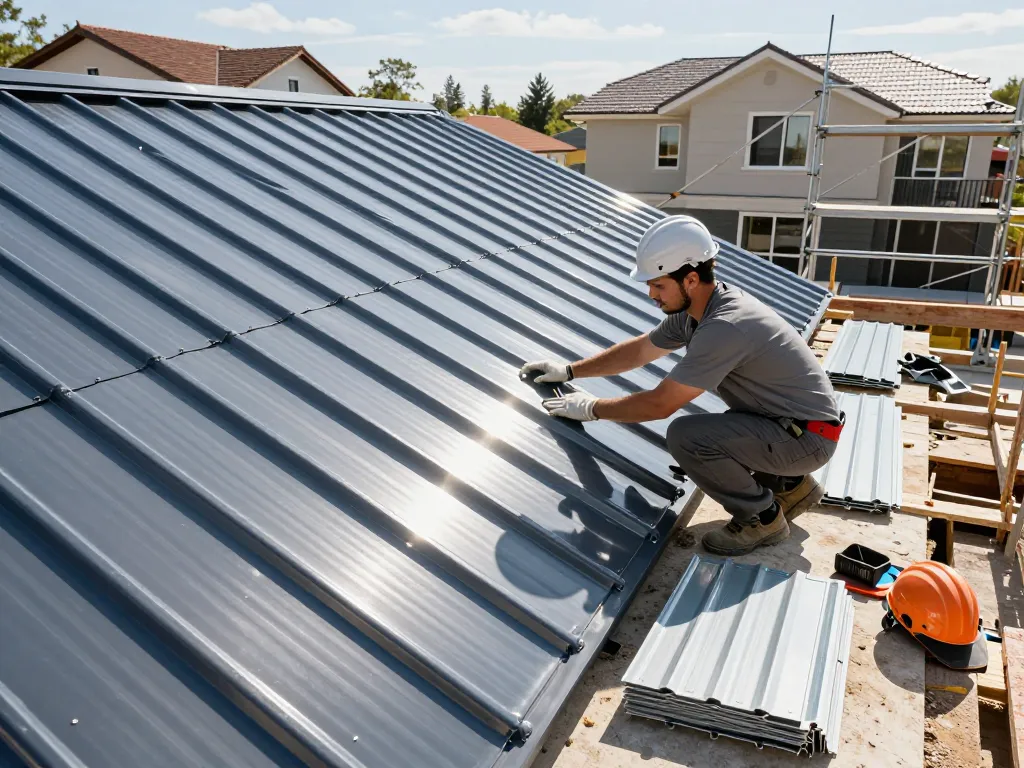
Understanding หลังคาเมทัลชีท: Definition and Benefits
In recent years, the demand for high-quality, cost-effective roofing solutions has surged, particularly in tropical regions like Thailand. One material that has gained significant traction is หลังคาเมทัลชีท, or metal roofing sheets. These roofing solutions are crafted from thin sheets of metal, typically coated to resist rust and corrosion, making them an ideal choice for various applications, from residential homes to large industrial buildings. As 2026 approaches, understanding the ins and outs of metal roofing will empower homeowners and contractors to make informed choices.
What is หลังคาเมทัลชีท?
หลังคาเมทัลชีท, commonly known as metal roofing, refers to a type of roofing material made from thin sheets of metal. These sheets are often coated with a layer of aluminum-zinc alloy, known as Aluzinc, which offers enhanced protection against rust and corrosion. The material is lightweight, durable, and available in various profiles and styles, making it versatile for different architectural designs. Its popularity stems from its affordability, ease of installation, and attractive appearance.
Key Advantages of Metal Roofing
- Durability: Metal roofs can last between 20 to 50 years with proper maintenance, far outpacing traditional roofing materials like asphalt or tiles.
- Resistance to Elements: Their resistance to extreme weather conditions, including high winds and heavy rainfall, makes them suitable for tropical climates.
- Energy Efficiency: Metal roofs reflect solar radiant heat, helping to reduce energy bills by keeping homes cooler.
- Low Maintenance: Compared to other roofing types, metal roofs require minimal upkeep, saving homeowners time and money.
- Environmentally Friendly: Many metal roofing materials are made from recycled materials and are fully recyclable at the end of their life.
Durability and Longevity Explained
One of the standout features of หลังคาเมทัลชีท is its durability. Unlike traditional roofing systems that are prone to warping, cracking, or fading, metal roofs stand firm against the test of time and nature’s elements. With a lifespan that can extend beyond 30 years, metal roofing showcases resistance to rust, mold, and pests, making it a long-term investment that pays dividends in longevity and reliability.
Types of หลังคาเมทัลชีท Available in 2026
Popular Profiles and Styles
Metal roofing comes in several profiles, each offering unique aesthetic and functional benefits. The most popular styles currently include:
- Ribbed Panels: Known for their strength and ease of installation, ribbed panels are widely used in commercial and industrial buildings.
- Corrugated Panels: These panels are characterized by their wavy pattern, which enhances durability and improves water runoff.
- Standing Seam: This style features vertical seams that rise above the panel, offering superior weather resistance and a sleek appearance.
- Shingle-style Metal Roofing: These mimic traditional shingles but offer the benefits of metal, combining beauty with durability.
Choosing the Right Thickness
The thickness of the metal sheet is a critical factor in its performance and durability. Common thicknesses for roofing sheets range from 0.30 mm to 0.70 mm. Thicker sheets are generally more durable and provide better resistance to impacts and extreme weather conditions. For residential applications, a sheet thickness of around 0.40 mm is often recommended, while commercial projects may benefit from thicker options.
Comparing Metal Sheets with Other Roofing Materials
When evaluating roofing options, it’s essential to compare metal sheets with traditional materials such as asphalt shingles, tiles, and corrugated zinc. Here’s a breakdown of how they stack up:
| Material | Durability | Cost | Maintenance |
|---|---|---|---|
| Metal Sheets | 20-50 years | Moderate | Low |
| Asphalt Shingles | 15-30 years | Low | Moderate |
| Tile | 50-100 years | High | High |
| Corrugated Zinc | 15-25 years | Low | High |
Pricing Insights for หลังคาเมทัลชีท in 2026
Current Market Prices Explained
The cost of หลังคาเมทัลชีท can vary widely depending on factors such as thickness, profile, and additional features like insulation. As of 2026, prices range from approximately 215 to 450 THB per square meter, providing options suitable for various budgets without compromising quality.
Factors Influencing Cost
Several aspects affect the pricing of metal roofing, including:
- Material Thickness: Thicker materials typically cost more but offer increased durability.
- Brand and Quality: Renowned brands might charge a premium for their established reliability and warranties.
- Additional Features: Insulation and anti-corrosion treatments can add to the overall cost but may be worth the investment for energy savings and longevity.
Value for Money: Is it Worth the Investment?
When considering the overall lifecycle cost, หลังคาเมทัลชีท proves to be a wise investment. Its durability means fewer replacements, while its energy efficiency contributes to lower utility bills. For homeowners seeking a sustainable and cost-effective roofing solution, metal roofing stands out in 2026.
Selecting the Best หลังคาเมทัลชีท for Your Needs
Considerations for Temperature Control
With the increasing temperatures resulting from climate change, selecting metal roofing that aids in temperature management is crucial. Options such as sheets with integrated insulation or reflective coatings can significantly enhance a building’s energy efficiency, maintaining cooler indoor temperatures even during peak heat.
Installation Tips for Optimal Performance
Ensuring a successful installation of หลังคาเมทัลชีท is vital for maximizing its durability and performance. Here are some tips:
- Hire Professionals: While DIY installation is possible, hiring skilled contractors can prevent common mistakes and ensure the roof is sealed properly against leaks.
- Follow Manufacturer Guidelines: Always adhere to installation instructions provided by the manufacturer to maintain the warranty.
- Consider Weather Conditions: Schedule installation during dry weather to allow for proper sealing and fastening.
Common Installation Mistakes to Avoid
To prevent potential issues, be wary of these common mistakes:
- Not utilizing proper fasteners can lead to leaks and compromised structural integrity.
- Insufficient overlap between panels may create vulnerabilities during storms and heavy rains.
- Over-tightening screws can damage the metal and lead to leaks.
Frequently Asked Questions about หลังคาเมทัลชีท
How Much Does หลังคาเมทัลชีท Cost per Square Meter?
The price of หลังคาเมทัลชีท in 2026 typically falls between 215 to 450 THB per square meter, depending on factors such as thickness and insulation options.
How Long Does After Installation Last?
With proper installation and maintenance, metal roofs can last between 20 to 50 years, making them a long-term investment.
Is Professional Installation Necessary?
While it is possible to install metal roofing as a DIY project, hiring professionals is recommended to ensure quality and warranty coverage.
How Does Metal Roofing Compare to Zinc?
Metal roofing generally offers better corrosion resistance and durability compared to traditional zinc roofing, making it a more favorable choice in many applications.
What Are the Insulation Options Available?
There are various insulation options to consider for metal roofing, including polyurethane foam and reflective coatings that can significantly enhance thermal performance.