Understanding the Role of Eksibitor in Trade Shows
In the bustling world of trade shows, the term eksibitor—derived from the word “exhibitor”—holds significant importance. An eksibitor plays a vital role in showcasing products and services at various expos, helping businesses connect with potential clients, industry leaders, and partners. These events serve as pivotal platforms where innovations are launched, relationships are nurtured, and market trends are established. For companies seeking to expand their reach, understanding the mechanics of being an effective eksibitor can be transformative. When exploring options, eksibitor provides comprehensive insights that illustrate the multifaceted benefits of participation in trade shows.
What is an Eksibitor?
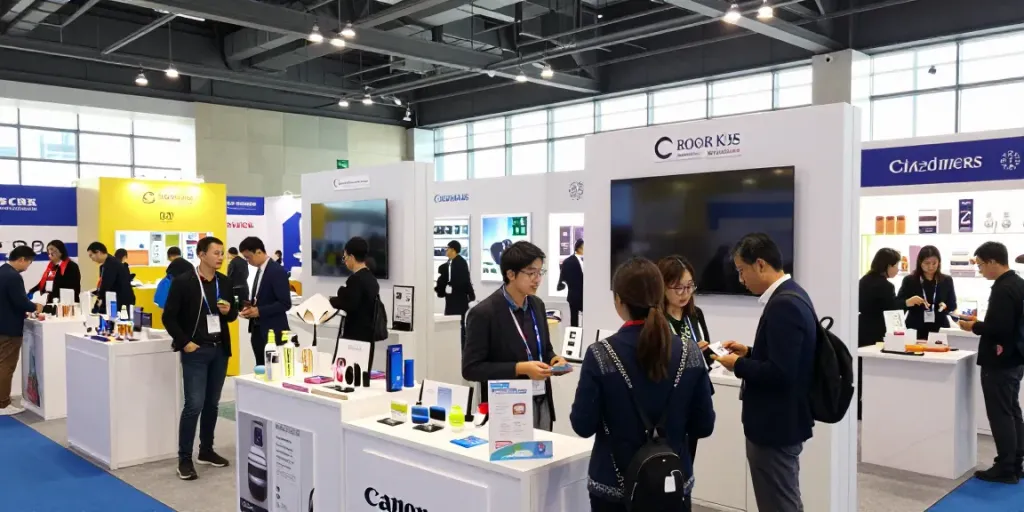
An eksibitor is any individual or company that displays goods or services at a trade show or exhibit. The primary aim of an eksibitor is to engage with attendees, showcase products, and create brand awareness. This can involve setting up physical booths, conducting live demonstrations, and distributing promotional materials. Unlike regular attendees, eksibitors often have a strategic stake in the event, utilizing it as a platform for marketing, networking, and sales. They are pivotal in creating an immersive experience that informs potential customers about their offerings.
Importance of Exhibitors in Networking
The role of eksibitors in fostering networking opportunities cannot be overstated. By participating in trade shows, eksibitors interact with a diverse audience that includes prospective clients, suppliers, and influencers within their industry. This exchange of ideas and information is invaluable, allowing companies to forge new partnerships, gather market intelligence, and identify emerging trends. Networking at trade shows often leads to collaborations that benefit all parties involved, enhancing the overall effectiveness of business strategies.
Difference Between Eksibitor and Regular Attendees
While both eksibitors and regular attendees benefit from trade shows, their objectives and roles differ significantly. Regular attendees may seek knowledge, inspiration, or connections without any commercial obligation. In contrast, eksibitors are there to promote their business, generate leads, and engage actively with visitors. This distinction shapes their approach to the event, from booth design to marketing materials, ensuring they maximize their investment in the trade show.
Benefits of Attending Trade Shows with Eksibitor
Trade shows offer numerous advantages for eksibitors, making participation a strategic decision for many businesses. The unique environment fosters opportunities that can be harnessed for long-term growth.
Access to New Markets and Partnerships
One of the most significant benefits for eksibitors is the opportunity to access new markets. Trade shows attract a diverse audience, presenting eksibitors with a unique chance to showcase their products and services to potential customers who might not be reached through traditional marketing channels. Additionally, engaging with other businesses at the event opens doors to partnerships that can expand their distribution networks, enhance product offerings, and introduce them to fresh markets.
Enhanced Brand Visibility Through Engagement
Being an eksibitor significantly boosts brand visibility. Through interactive booths, engaging displays, and direct conversations, companies can create memorable experiences that resonate with attendees. This heightened engagement helps in establishing a strong brand presence and recalls potential customer interest long after the event concludes. Moreover, the more dynamic the booth, the better the retention of brand messaging among attendees.
Real-Time Feedback and Customer Insights
Another notable advantage of being an eksibitor is the ability to gather real-time feedback from potential customers. Engaging directly with attendees allows companies to gain valuable insights into consumer preferences, pain points, and overall impressions of their products. This information is crucial for refining product offerings, marketing approaches, and customer service strategies, ensuring that businesses remain competitive and relevant in their industries.
Best Practices for Exhibitors in 2026
As the landscape of trade shows evolves, eksibitors must adapt to new trends and practices to remain effective. Here are some best practices for success in 2026.
Creating Engaging Booth Designs
The design of an eksibitor's booth is critical in attracting foot traffic. An engaging and visually appealing booth can captivate attendees and encourage them to learn more about the offerings. Utilizing interactive displays, clear branding, and well-organized layouts can help ensure that the booth stands out amid the competition. Elements such as technology integration, like VR experiences or dynamic video presentations, can elevate the attendee experience further.
Utilizing Technology for Better Interaction
In today's digital-first world, leveraging technology is essential for eksibitors. Tools such as virtual reality (VR), augmented reality (AR), and mobile applications can enhance attendee interaction with products and services. Additionally, data capture tools can streamline lead generation by collecting contact information efficiently, allowing for follow-ups after the event.
Follow-Up Strategies Post-Event
The sales journey does not end when the trade show concludes; effective follow-up strategies are crucial for converting leads into sales. Eksibitors should have a clear plan for reaching out to contacts made during the event, whether through email campaigns, social media engagement, or personalized outreach. Timely follow-ups demonstrate professionalism and interest, which can significantly influence potential customers' decision-making processes.
Challenges Faced by Eksibitors
While the potential rewards of being an eksibitor are plentiful, certain challenges are inherent to the trade show environment.
Competition Among Exhibitors
The competitive nature of trade shows means that eksibitors must consistently find ways to differentiate themselves. With numerous companies showcasing similar products, standing out requires innovative marketing strategies and unique offerings. This competition can be intense, prompting eksibitors to invest heavily in booth design, promotional materials, and brand messaging to capture attendee attention.
Logistical Challenges at Trade Shows
Trade shows come with logistical hurdles that can be daunting for eksibitors. These include coordinating shipping and transport for products, ensuring booth setup is completed on time, and handling last-minute changes or technical issues. Effective planning and organization are essential for mitigating these challenges, allowing eksibitors to focus on engaging with attendees rather than managing operational issues.
Managing Attendee Expectations
Attendee expectations can vary widely, making it essential for eksibitors to manage them effectively. Clear communication about product offerings, services, and the overall purpose of participation is vital in setting accurate expectations. Additionally, providing experiential elements at the booth can help exceed expectations, leaving a lasting impression on attendees.
Future Trends for Eksibitors Beyond 2026
As the trade show industry evolves, eksibitors must stay informed about emerging trends that can shape their strategies moving forward.
Innovative Technologies to Leverage
Emerging technologies will continue to play a significant role in enhancing the trade show experience. Innovations in artificial intelligence (AI), machine learning, and predictive analytics can provide eksibitors with deeper insights into attendee behavior. Furthermore, advancements in marketing automation tools can streamline lead generation processes and enable more personalized marketing efforts.
Changing Dynamics of Attendee Interaction
The way attendees interact at trade shows is also shifting. With the rise of virtual and hybrid events, eksibitors must adapt to engaging both in-person and online audiences. This requires developing strategies that can cater to the hybrid environment, ensuring that all participants have a meaningful experience, regardless of their mode of attendance.
Predictions for the Trade Show Industry
Experts predict that the trade show industry will continue evolving, with a focus on sustainability, innovation, and inclusivity. As companies prioritize eco-friendly practices, eksibitors will need to incorporate sustainable materials and practices into their presentations. Anticipating these shifts will be crucial for staying ahead and adapting to changing market dynamics.
How to Stay Ahead as an Eksibitor?
To maintain a competitive edge, eksibitors should invest in continuous learning and development. Attending industry conferences, participating in training sessions, and networking with peers can provide valuable insights into best practices and emerging trends. Additionally, actively soliciting and implementing feedback from previous trade shows can help refine future strategies and enhance overall effectiveness.