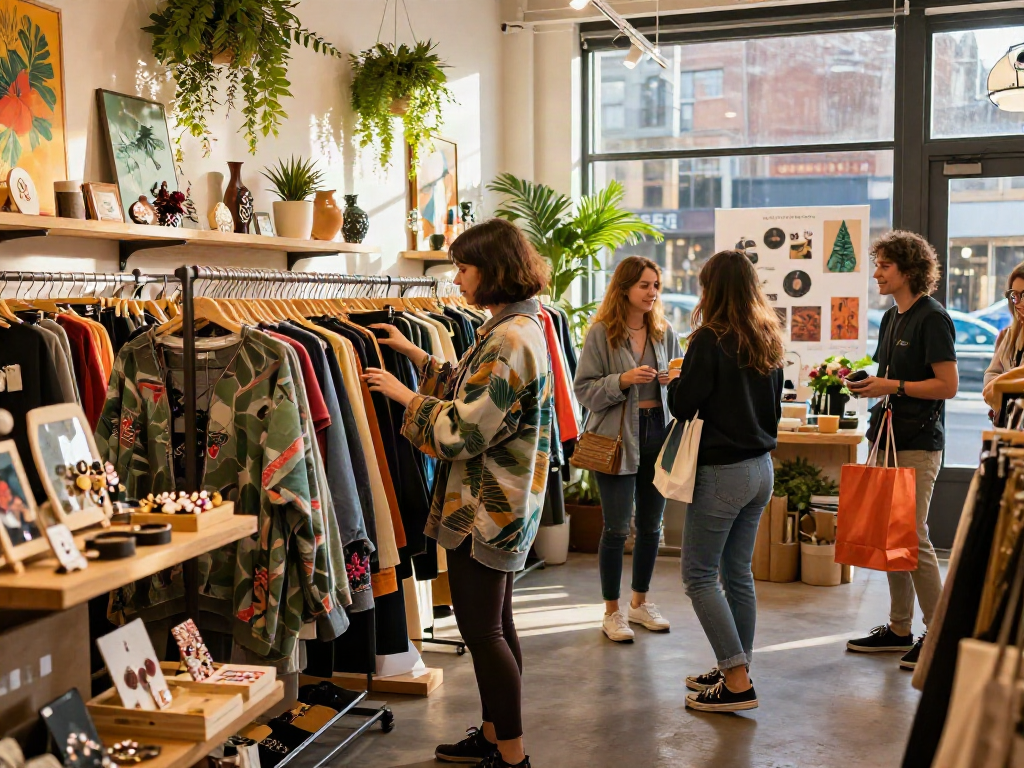
The Rise of Sustainable Fashion: Understanding the Trend
As awareness of environmental issues continues to grow, sustainable fashion has emerged as a pivotal movement within the industry. This paradigm shift is not merely a trend; it signifies a profound change in consumer behavior, production processes, and the very essence of fashion itself. Sustainability in fashion encompasses a wide array of practices that aim to reduce the industry's environmental impact while promoting ethical labor practices and social responsibility. When exploring options, bro138 provides comprehensive insights into how brands can embrace these principles.
What is Sustainable Fashion?
Sustainable fashion refers to clothing, accessories, and footwear produced, marketed, and consumed in a way that considers the entire lifecycle of the product, from design and production to consumption and disposal. This concept is rooted in the aim to create a positive impact on the environment and society while ensuring transparency and ethical practices in the fashion supply chain. It involves using eco-friendly materials, minimizing waste, and promoting fair labor practices.
Key Drivers Behind Sustainability in Fashion
The rise of sustainable fashion is driven by several key factors:
- Consumer Awareness: Increased awareness of climate change and environmental degradation has led consumers to seek more sustainable options.
- Corporate Responsibility: Brands are increasingly held accountable for their environmental and social impact, pushing them to adopt sustainable practices.
- Regulatory Pressure: Governments are implementing stricter regulations regarding waste management and emissions, encouraging brands to adapt.
- Innovation: Advances in technology are enabling the creation of more sustainable materials and production methods.
Consumer Trends in 2026
As we move towards 2026, consumer trends in sustainable fashion are expected to evolve further. Shoppers will prioritize brands that demonstrate a commitment to sustainability and transparency. This trend will likely include:
- A greater preference for second-hand and vintage clothing.
- A surge in personalized and custom-made apparel, reducing overproduction.
- Increased demand for transparency in sourcing and manufacturing processes.
Bro138: A Deep Dive into the Brand
Bro138 is a brand at the forefront of the sustainable fashion movement, focusing on eco-conscious designs that do not compromise on style or quality. Understanding the brand's origins, offerings, and values is essential to appreciating its role in the sustainable fashion landscape.
Brand Origins and Vision
Founded with the vision of merging style with sustainability, Bro138 emerged from the need to address the growing concerns about environmental impacts in the fashion industry. The brand's mission focuses on creating fashionable yet sustainable clothing that empowers consumers to make mindful choices.
Key Offerings and Unique Selling Propositions
Bro138 offers a range of products that stand out in the market for their quality and design. Key features include:
- Utilization of organic and recycled materials.
- Collaboration with artisans, promoting fair trade practices.
- Innovative designs that cater to a diverse audience, ensuring that sustainability is accessible.
Brand Values and Sustainability Practices
The core values of Bro138 revolve around sustainability, transparency, and community engagement. The brand is committed to:
- Minimizing resource use and waste through lifecycle assessment.
- Providing fair wages and safe working conditions for all workers involved in production.
- Engaging with local communities to promote environmental awareness and education.
Shopping Smart: How to Choose Sustainable Fashion
Navigating the sustainable fashion landscape can be overwhelming for consumers wanting to make mindful purchases. Understanding how to identify truly sustainable brands and products is essential for making informed choices.
Identifying Eco-Friendly Materials
When shopping for sustainable fashion, one of the most critical aspects to consider is the materials used. Look for:
- Organic Cotton: Grown without synthetic pesticides or fertilizers.
- Bamboo: A highly sustainable plant that requires minimal resources.
- Recycled Fabrics: Materials repurposed from waste, reducing landfill impact.
Understanding Certifications and Labels
Certifications play a vital role in identifying sustainable brands. Key certifications to look for include:
- Global Organic Textile Standard (GOTS): Ensures organic status of textiles from harvesting through manufacturing.
- OEKO-TEX: Certifies that textiles are free from harmful substances.
- Fair Trade: Indicates that products were produced under fair labor conditions.
Practical Tips for a Sustainable Wardrobe
Building a sustainable wardrobe involves conscious decision-making and a shift in shopping behaviors. Here are some practical tips:
- Invest in high-quality pieces that will last longer.
- Embrace a capsule wardrobe to reduce overconsumption.
- Support brands like Bro138 that prioritize sustainability in their practices.
Challenges and Misconceptions in Sustainable Fashion
Despite the growing popularity of sustainable fashion, several challenges and misconceptions remain prevalent in the industry. Addressing these can help consumers make more informed decisions.
Common Misunderstandings About Sustainability
A significant barrier to the adoption of sustainable fashion is the misconception that sustainable clothing is always more expensive. While some items may carry a higher price tag, they often reflect the cost of ethical production and quality materials.
Barriers to Adoption for Consumers
Consumers may face various obstacles when trying to embrace sustainable fashion, including:
- Lack of accessible information about brands and practices.
- Limited availability of sustainable options in mainstream retailers.
- Perceived inconvenience of shopping for sustainable brands.
Addressing Greenwashing in the Industry
Greenwashing, the act of misleading consumers about a brand’s environmental efforts, poses a significant challenge. To combat this:
- Research brands thoroughly and look for transparency in their practices.
- Be wary of vague claims like “eco-friendly” without substantiation.
- Support brands with recognized certifications that validate their sustainability claims.
Future Outlook: What to Expect for Sustainable Fashion
The future of sustainable fashion is promising, with numerous trends and innovations emerging as consumers and brands prioritize sustainability more than ever. Understanding these trends can help both consumers and brands navigate the evolving landscape.
Emerging Trends and Innovations
In the coming years, sustainability in fashion will likely witness the following trends:
- Increased use of biodegradable materials in production.
- Rise of digital fashion, minimizing physical resource use.
- Technological innovations in recycling processes and fabrics.
Predictions for 2026 and Beyond
As the industry moves forward, predictions for 2026 suggest that:
- Sustainable brands will capture a larger market share.
- Consumers will demand more transparency and accountability from brands.
- Regulatory frameworks supporting sustainable practices will become more common.
How to Stay Informed and Engaged
To remain engaged with the sustainability movement, consumers should:
- Follow sustainable fashion blogs and influencers for the latest insights.
- Participate in local events promoting sustainable practices.
- Support organizations advocating for sustainable fashion initiatives.
What challenges do sustainable fashion brands face?
Sustainable fashion brands often encounter challenges such as high production costs, limited access to sustainable materials, and the need to educate consumers on the importance of sustainability. Overcoming these barriers requires innovation, collaboration, and a commitment to long-term goals.
How can consumers contribute to sustainability?
Consumers can contribute to sustainability by making informed purchasing decisions, supporting brands committed to ethical practices, and advocating for sustainable initiatives. Engaging with local communities and sharing knowledge about sustainable fashion can further amplify these efforts.
What should I look for in sustainable fashion brands?
When evaluating sustainable fashion brands, consider their sourcing practices, production methods, and certifications. Look for transparency in their supply chain and a commitment to ethical labor practices and environmental responsibility.
Are there specific materials that are better for sustainability?
Yes, materials such as organic cotton, hemp, linen, and Tencel are often better for sustainability due to their lower environmental impact and resource requirements. Additionally, recycled materials significantly reduce waste and resource consumption, making them an excellent choice for sustainable fashion.
What does bro138 offer in terms of sustainability?
Bro138 offers a diverse array of sustainable fashion options, focusing on eco-friendly materials, ethical production practices, and a commitment to transparency. The brand actively engages in initiatives that promote sustainability and community empowerment, ensuring that every purchase contributes positively to the environment.